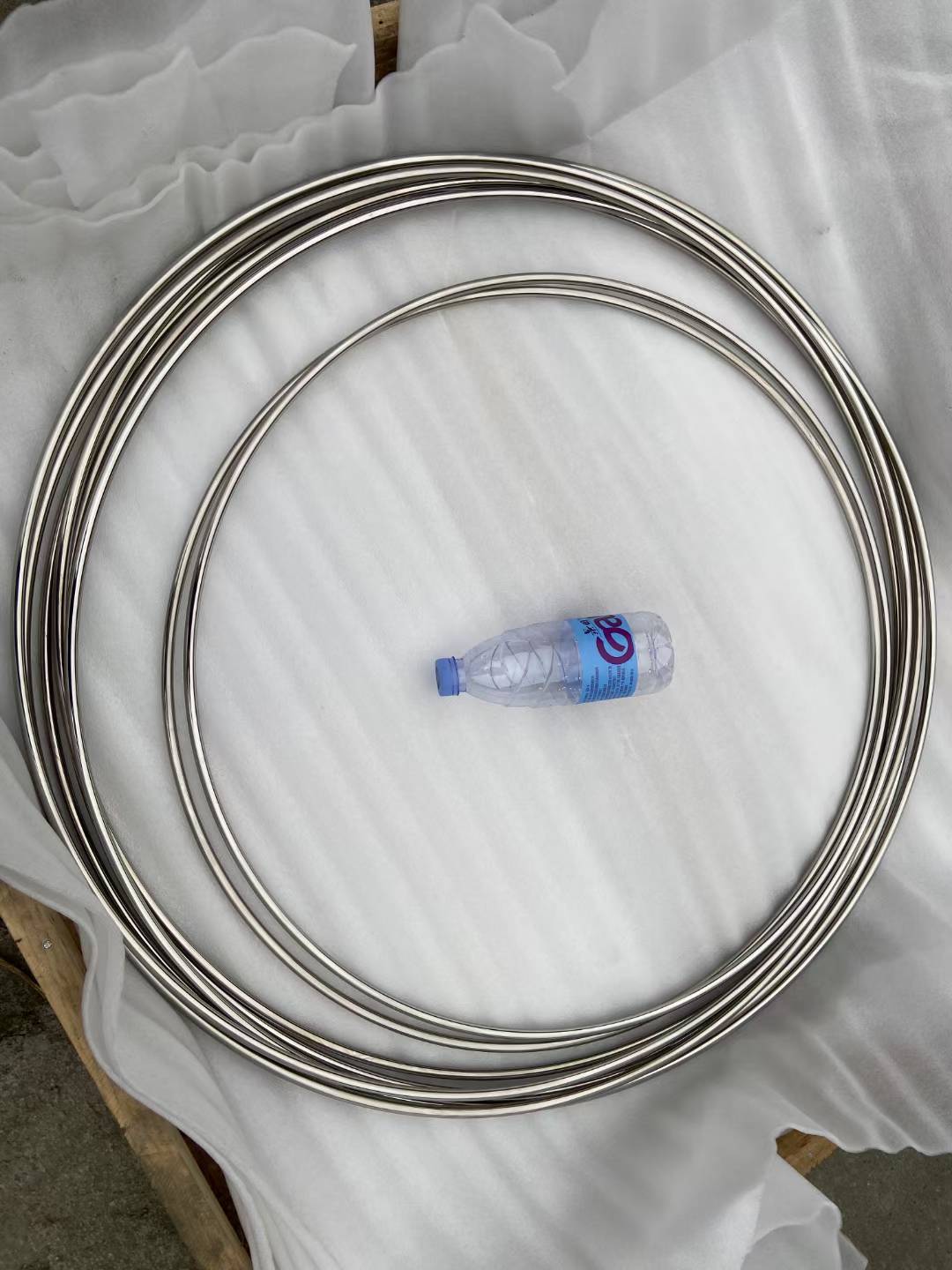
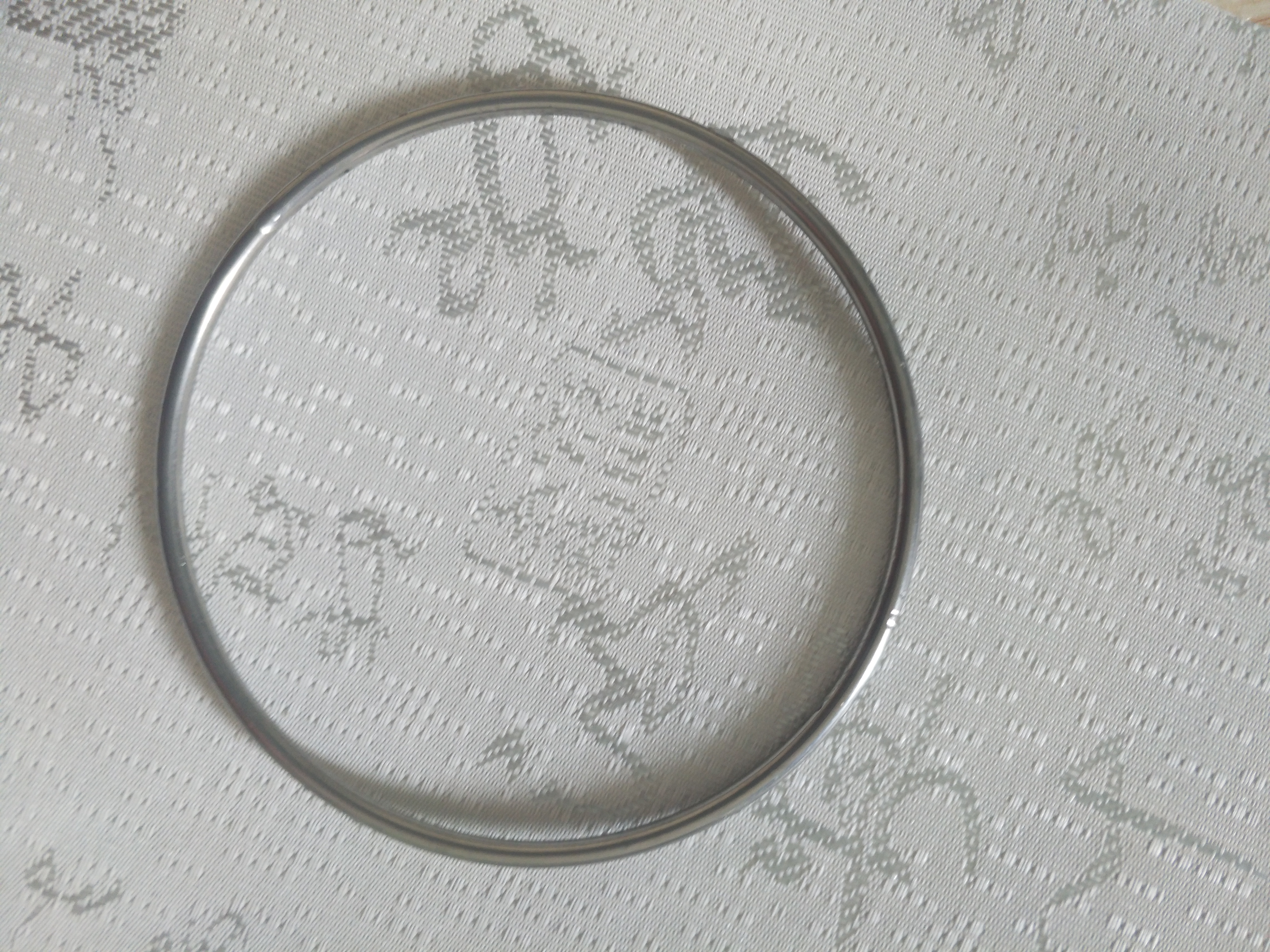
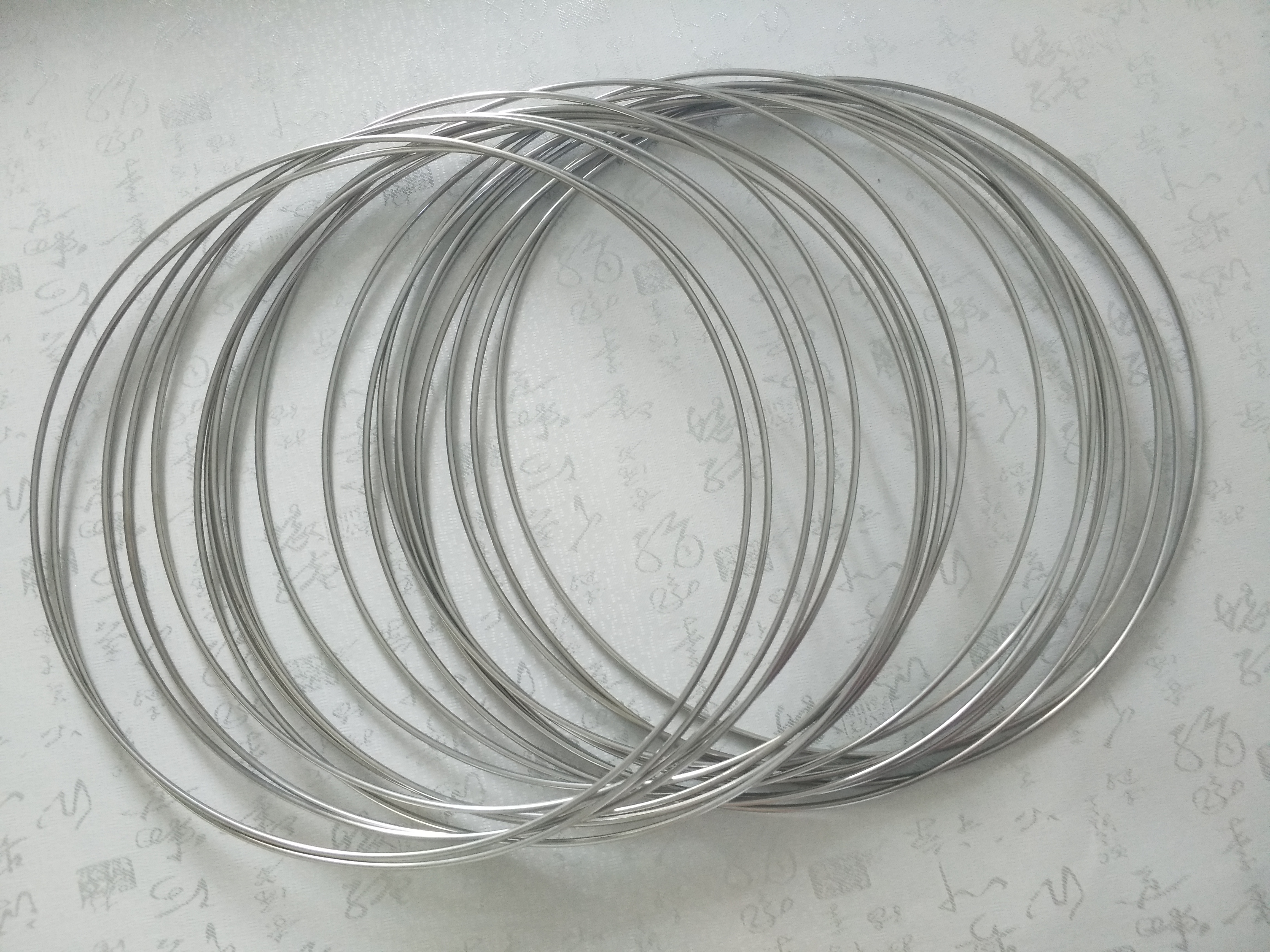
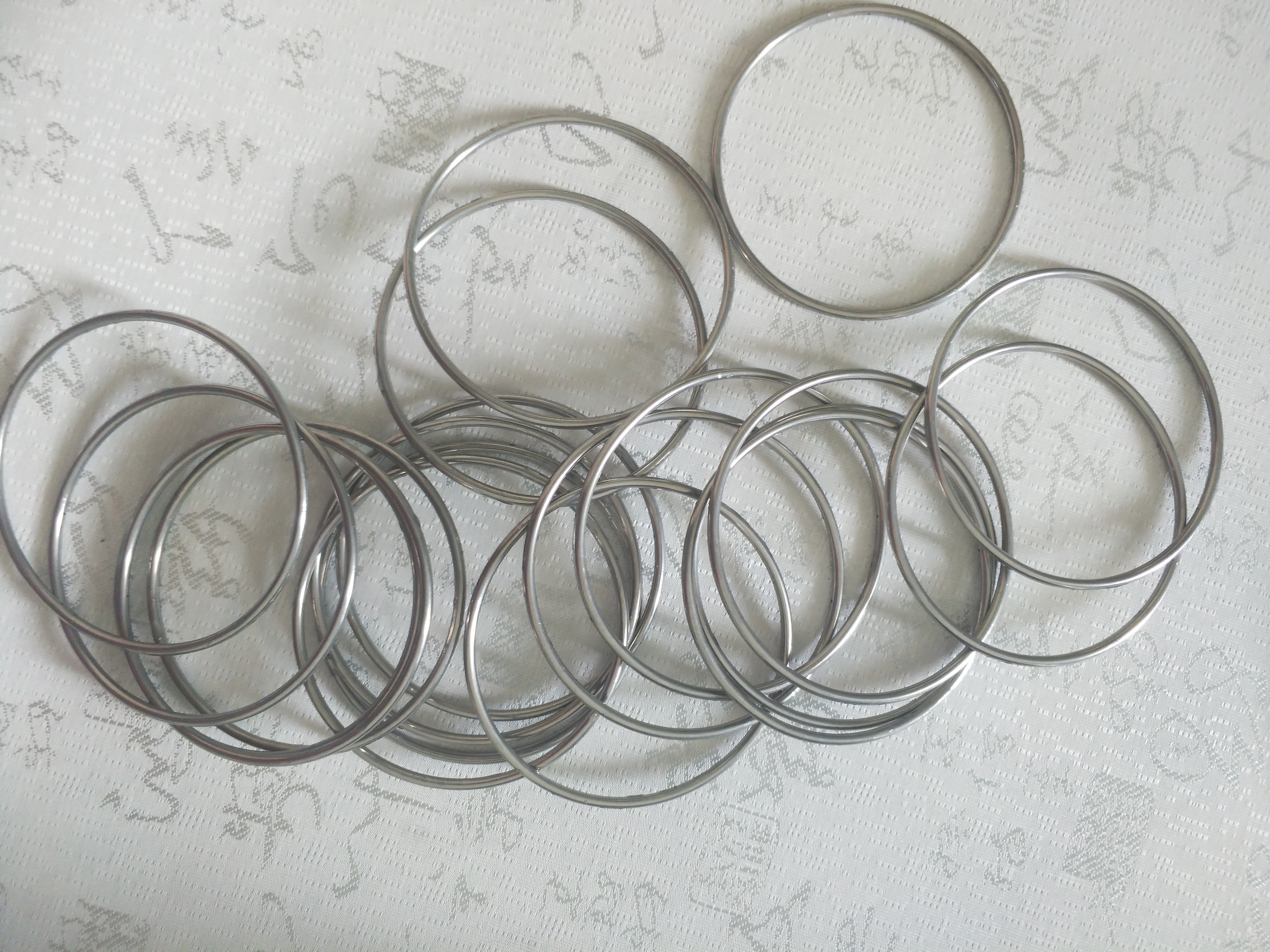
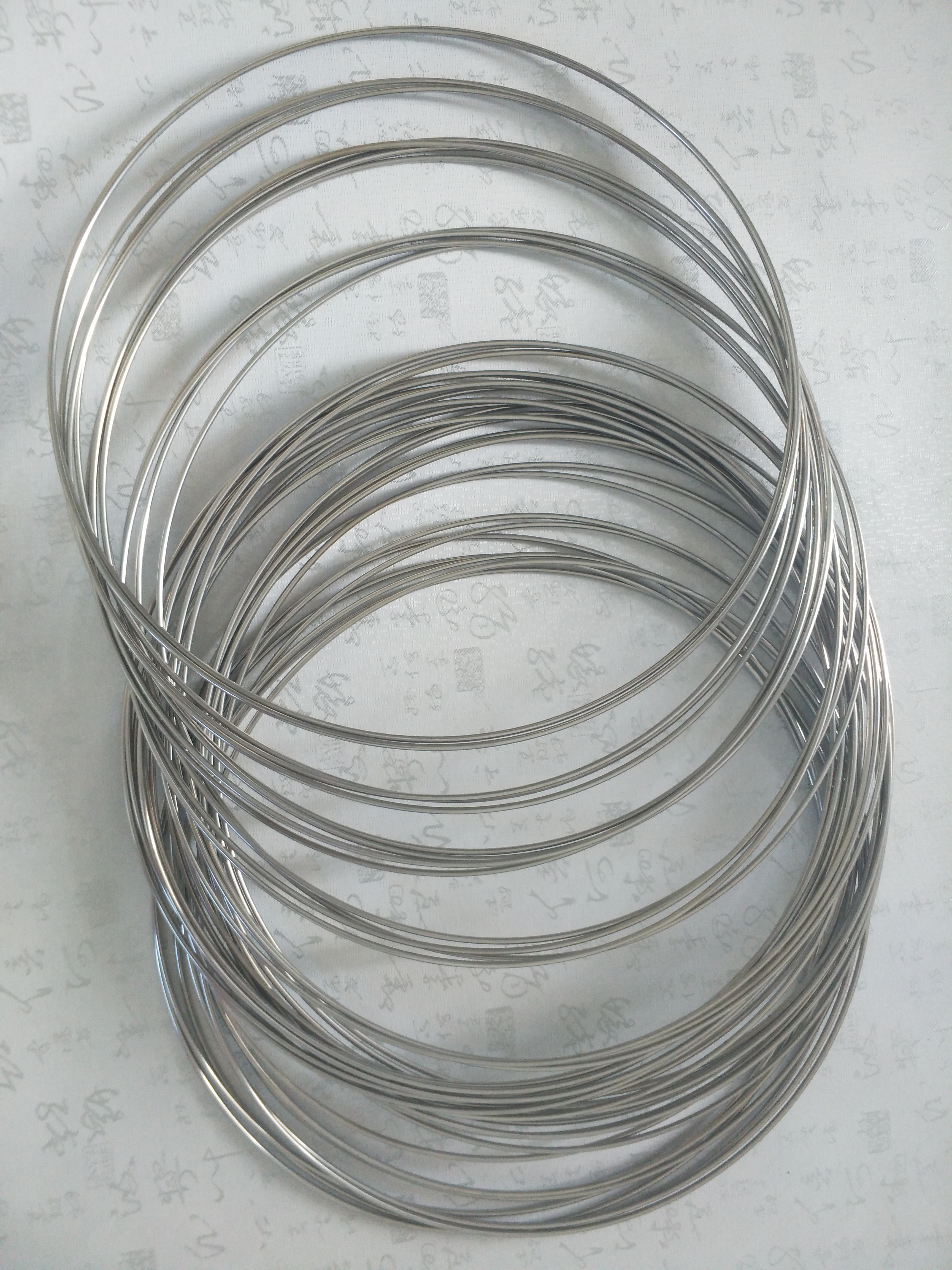

Stainless steel 316L metal O-rings are critical sealing components in melt filters. Their application is highly compatible with the process characteristics and operating requirements of melt filtration, playing an irreplaceable role in ensuring stable equipment operation, filtration efficiency, and product quality. This article provides a detailed analysis from the aspects of application background, core functions, compatibility analysis, practical application scenarios, and precautions:
## I. Application Background: Operating Characteristics and Sealing Requirements of Melt Filters
Melt filters are widely used in industries such as plastics, chemical fibers, rubber, food, and pharmaceuticals. They are primarily used to filter impurities, gel particles, or unmelted substances from molten materials (e.g., polymer melts, resins, food melts) to ensure the quality of subsequent processing (e.g., spinning, film extrusion, injection molding). Their core operating characteristics impose stringent requirements on sealing components:
1. **High-temperature environment**: Melt temperatures typically range from 150°C to 400°C (e.g., polyester melts at approximately 280–300°C, nylon melts at 240–260°C), with some engineering plastic melts reaching even higher temperatures.
2. **High-pressure conditions**: Materials must maintain a certain pressure (usually 0.5–3 MPa) during filtration to drive the melt through the filter medium, avoiding pressure fluctuations that could destabilize flow rates.
3. **Medium properties**: Melts are mostly viscous polymer materials, some containing trace corrosive additives (e.g., antioxidants, flame retardants). Additionally, sealing materials must not contaminate the melt (especially in food and pharmaceutical fields).
4. **Frequent disassembly needs**: Filters require regular replacement of filter elements. Sealing components must withstand repeated mechanical stress from disassembly and quickly restore reliable sealing after each operation.
## II. Core Functions of Stainless steel 316L metal O-rings
In melt filters, Stainless steel 316L metal O-rings are mainly used for static sealing of critical interfaces such as **filter body and end cover, filter cavity and flange, and inlet/outlet joints**. Their core functions include:
1. **Preventing melt leakage**: Through rigid metal sealing and interference fit, they block high-temperature, high-pressure melt from seeping through sealing gaps, avoiding material waste, equipment contamination, and safety hazards (e.g., burns from contact with high-temperature melt).
2. **Ensuring stable filtration pressure**: Seal failure can cause pressure loss, affecting melt flow rate through the filter medium and filtration efficiency. The high strength and deformation resistance of stainless steel O-rings maintain stable system pressure.
3. **Avoiding medium contamination**: Stainless steel (e.g., 316L) has excellent chemical inertness, does not react with melts, and does not release impurities at high temperatures, meeting cleanliness requirements in food, pharmaceutical, and other fields.
4. **Adapting to frequent maintenance**: Compared to rubber or non-metallic seals, stainless steel O-rings offer better wear resistance and fatigue resistance, retaining sealing performance after multiple disassembly cycles, thus reducing maintenance frequency and costs.
## III. Compatibility Analysis of Stainless steel 316L metal O-rings
### 1. Material Compatibility: Meeting High-Temperature and Corrosion Resistance Needs
- **High-temperature stability**: Commonly used 304 and 316 stainless steels can operate stably below 400°C for long periods. Their melting points (1300–1400°C) are much higher than the operating temperatures of melt filters, preventing softening, aging, or failure due to high temperatures (rubber seals typically age above 200°C and cannot withstand long-term high temperatures).
- **Corrosion resistance**: 316 stainless steel, containing molybdenum, exhibits stronger resistance to trace acidic/alkaline additives, moisture, or residual solvents in melts. It is particularly suitable for filtering engineering plastic melts with corrosive components (e.g., PVC, fluoropolymers).
### 2. Structural and Sealing Principle Compatibility: Addressing High Pressure and Surface Defects
- **Interference sealing of solid structure**: Stainless steel 316L metal O-rings have a solid circular cross-section. During installation, they form an interference fit with the seal groove, undergoing slight elastic deformation under preload to fill micro-scratches and roughness defects on the sealing surface, creating an initial seal. As system pressure increases, melt pressure further compresses the O-ring, enhancing contact stress on the sealing surface (the "self-tightening seal effect"), which adapts to the high-pressure conditions of filters.
- **Reliability of metal-to-metal sealing**: Compared to the "elastic sealing" of rubber O-rings, the "metal-to-metal" sealing of stainless steel O-rings is more resistant to extrusion—they are less likely to be damaged by extrusion through gaps under high pressure, making them particularly suitable for high-pressure sealing of large-diameter interfaces such as filter end covers.
### 3. Mechanical Performance Compatibility: Withstanding Disassembly and Long-Term Use
- **High strength and fatigue resistance**: Stainless steel has high tensile strength (approximately 520 MPa for 304 stainless steel), making it resistant to plastic deformation or fracture under repeated preload from disassembly. Its service life is much longer than that of non-metallic seals, reducing the cost of frequent replacements.
- **Dimensional stability**: Stainless steel has a low thermal expansion coefficient (approximately 17×10⁻⁶/°C), resulting in minimal dimensional changes under high-temperature conditions. This maintains a stable interference fit, preventing increased sealing gaps and leakage due to thermal expansion and contraction.
## IV. Practical Application Scenarios and Typical Cases
1. **Plastic extrusion melt filters**:
In PE and PP film extrusion production lines, melt filters remove impurities from raw materials to ensure film transparency. Stainless steel O-rings are used for flange sealing between the filter housing and filter cartridge, withstanding melt temperatures of 200–300°C and pressures of 1–2 MPa to prevent production interruptions and material waste caused by melt leakage.
2. **Chemical fiber spinning melt filters**:
In polyester and nylon spinning processes, melt purity directly affects yarn quality (e.g., breakage, fuzz). 316 stainless steel O-rings provide sealing for high-precision filters, not only withstanding 280°C temperatures but also avoiding melt contamination and spinning defects due to their clean, non-leaching properties.
3. **Food-grade melt filters**:
In filtering food melts such as chocolate and syrup, compliance with FDA and other food contact standards is required. 304 stainless steel O-rings are non-toxic and non-migratory, and they withstand high-temperature disinfection (e.g., steam cleaning), adapting to hygiene requirements in the food industry.
## V. Application Precautions
1. **Sealing surface processing precision**: Stainless steel O-rings require high surface roughness of the sealing surface (typically Ra ≤ 1.6 μm). Surface scratches or depressions can cause seal failure, so the processing quality of seal grooves and flange surfaces must be ensured.
2. **Preload control**: Insufficient preload leads to poor initial sealing, while excessive preload may cause over-deformation of the O-ring or damage to the sealing surface.
3. **Material selection**: 304 stainless steel is suitable for general conditions, while 316L stainless steel is preferred for corrosive media or high cleanliness requirements. Avoid use in extremely corrosive environments containing sulfur or chlorine (special coatings or alloy materials may be required).
4. **Installation and maintenance**: Avoid scratching the O-ring with sharp edges during installation. Regularly inspect the sealing surface for wear or corrosion, and replace the O-ring promptly if deformation or cracks are found.
## VI. Conclusion
Stainless steel metal O-rings, with their advantages of **high-temperature stability, high-pressure sealing performance, corrosion resistance, and long service life**, perfectly adapt to the harsh operating conditions of melt filters. They are core components ensuring efficient, stable, and clean filtration processes. Their application not only reduces the risk of seal failure but also lowers maintenance costs, holding an irreplaceable position in polymer processing, food, pharmaceuticals, and other fields. In practical applications, appropriate stainless steel materials should be selected based on specific operating conditions (temperature, pressure, medium), and strict control over sealing surface processing and installation processes is necessary to maximize sealing reliability


